Gracepath Center for Palliative medicine and Advanced Wound Care provides compassionate, patient-centered healthcare focused on improving comfort, dignity, and quality of life for individuals with chronic, serious, or life-limiting illnesses. We specialize in palliative care, pain and symptom management, and advanced wound care for complex, chronic, and non-healing wounds using evidence-based treatment approaches. Our goal is to deliver professional, personalized care that promotes healing, comfort, and support for both patients and families.
Discover more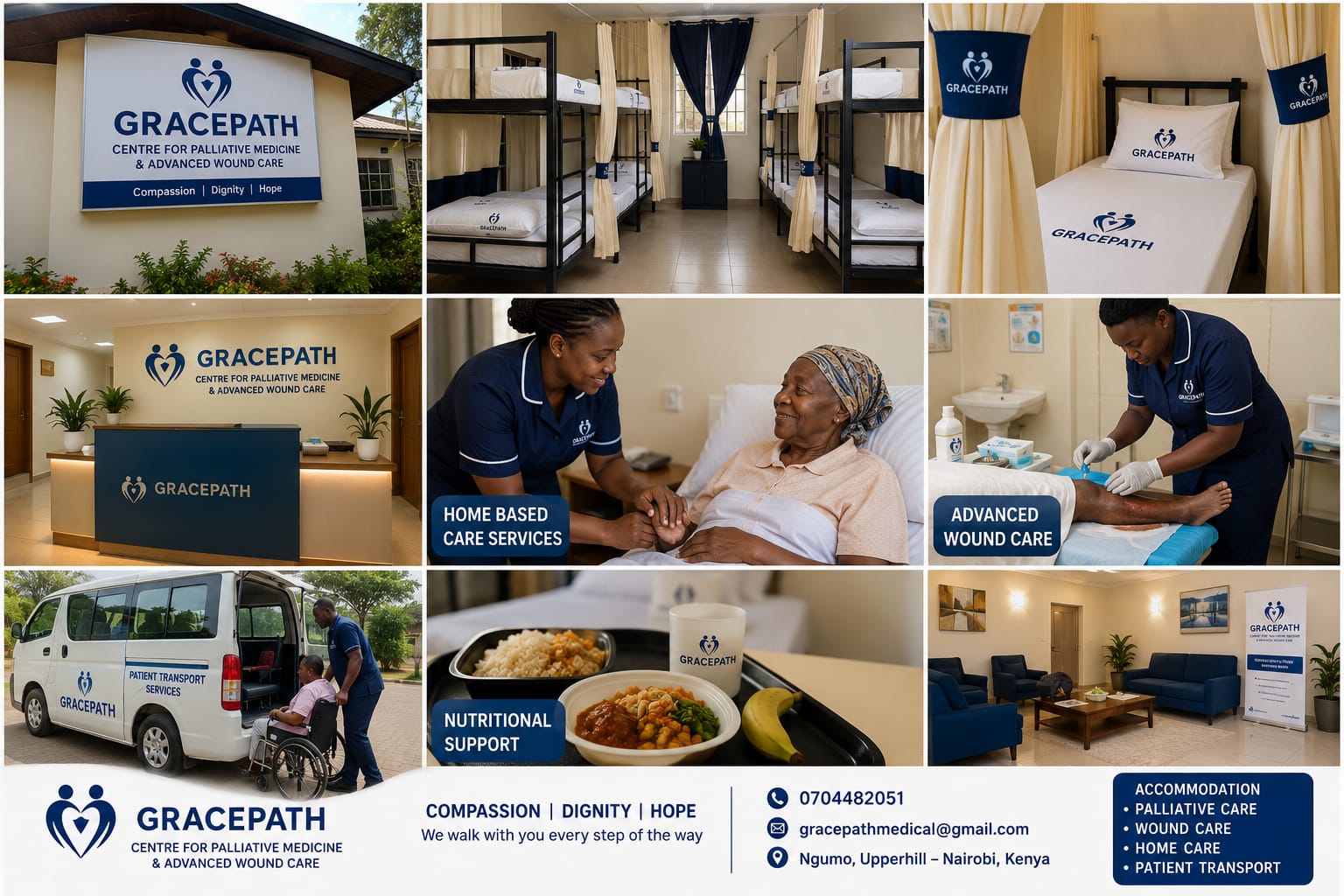
Gracepath provides safe, affordable, and comfortable accommodation specifically for patients undergoing radiotherapy. The hostel offers a clean and supportive environment for patients who travel long distances and require daily treatment sessions, helping them remain close to their treatment centre while receiving nursing support, transport coordination, nutritious meals, and a place to rest between appointments.
Discover more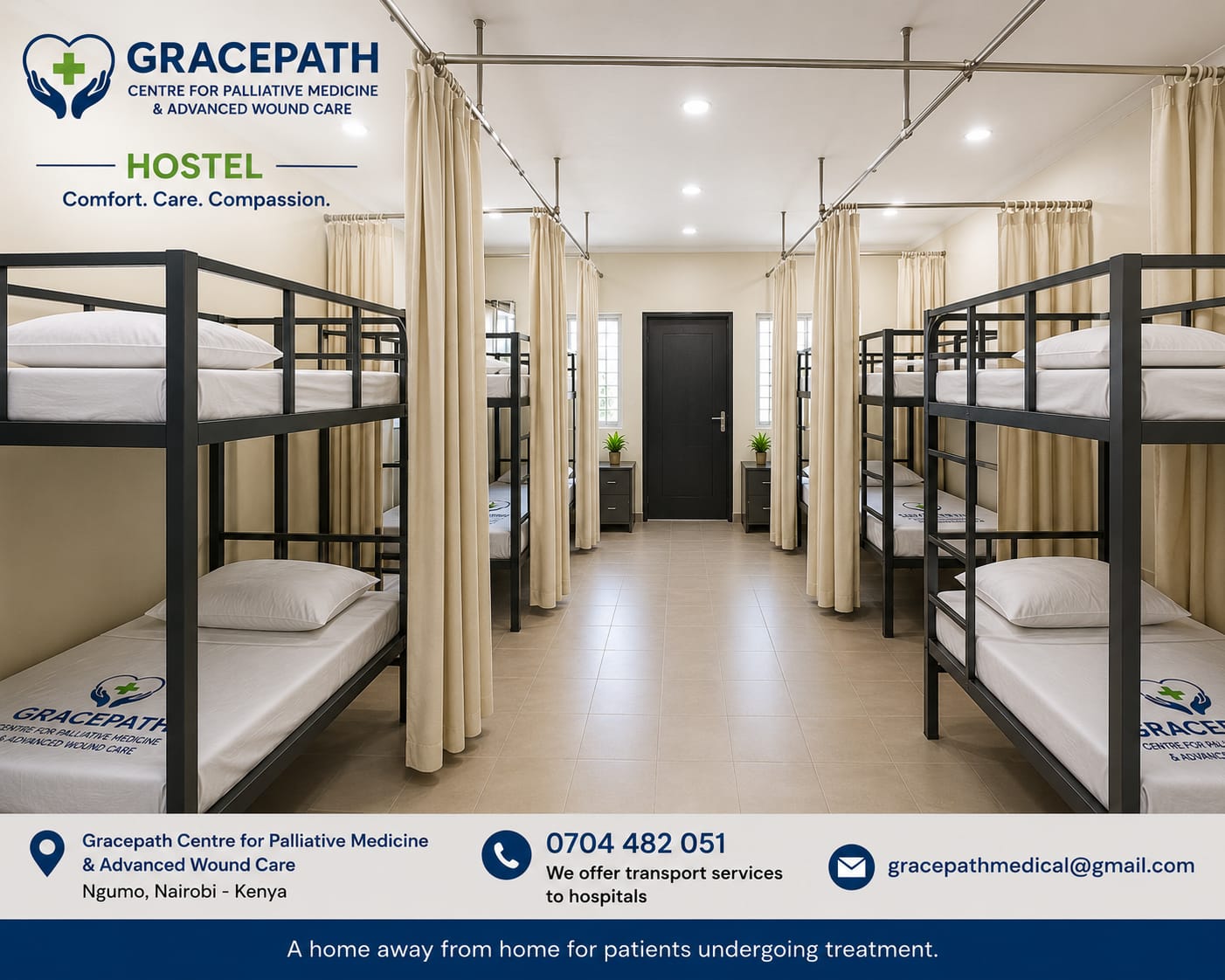
Gracepath Palliative Care and Advanced Wound Care is a specialized healthcare service dedicated to improving the quality of life for individuals living with serious, chronic, life-limiting, or complex medical conditions through compassionate palliative care and evidence-based advanced wound management. Our approach focuses on providing holistic, patient-centered care that addresses physical, emotional, psychological, social, and spiritual needs while ensuring comfort, dignity, and improved well-being for patients and their families. Palliative Care Services Gracepath Palliative Care offers comprehensive support for patients experiencing chronic illnesses, terminal conditions, cancer, neurological disorders, organ failure, age-related illnesses, and other debilitating health challenges. Our multidisciplinary care model emphasizes symptom management, pain relief, emotional support, and personalized care planning.
We emphasizes comfort, dignity, and holistic care, addressing physical, emotional, psychological, social, and spiritual needs.
Learn MoreGracepath specializes in the assessment, treatment, and management of complex, chronic, and non-healing wounds using modern clinical approaches and advanced wound healing techniques.
Learn MoreAt Gracepath, we provide personalized, ongoing care for individuals living with long-term health conditions such as diabetes, hypertension, heart disease, stroke, respiratory illnesses, and other chronic conditions. We focus on continuous monitoring, medication management, symptom control, patient education, and lifestyle support to help improve health outcomes, prevent complications, and enhance overall quality of life through compassionate, patient-centered care
Learn MoreInterested in our products and services?
Visit us now or call us
“A future where no one suffers needlessly—where advanced wound healing and compassionate palliative care walk together, restoring comfort, dignity, and peace at every stage of illness.”.

To deliver integrated, person-centered care that alleviates suffering, promotes healing, and honors individual goals—uniting clinical excellence in wound management with the deep comfort of palliative medicine, every step of the journey.

GracePath Medical Center commits to:Patients & Families – Listening deeply, controlling pain and symptoms, healing wounds without unnecessary suffering, and supporting emotional and spiritual needs.
“Compassion Without Compromise, Healing Without Haste.”
Guided by grace and grounded in science, GracePath Medical Center commits to:
Honoring each patient’s values, preferences, and goals, whether navigating serious illness or chronic wounds.
Treating physical, emotional, and spiritual suffering together, with advanced wound healing aligned seamlessly with palliative comfort.
Delivering evidence-based, innovative therapies for wound care while practicing meticulous symptom management in palliative medicine.
Working as one team with patients, families, and referring providers to ensure continuous, compassionate coordination.
Removing barriers to relief and healing, serving all individuals with unwavering kindness, regardless of complexity or circumstance.
We nurture realistic hope, acknowledging suffering while empowering patients and families to find meaning, comfort, and progress—even when cure is not the goal.
Specialized healthcare focused on improving the quality of life for people living with serious, chronic, or life-limiting illnesses. We prevent and relieve suffering by managing pain, symptoms, and emotional distress while supporting patients and their families throughout the course of illness.
Expert evaluation and treatment of pain, shortness of breath, nausea, fatigue, constipation, and other distressing symptoms related to serious illness.
Gracepath Medical Center offer Guided conversations to help patients document their goals, values, and medical preferences (living wills, healthcare proxies, POLST forms).
Careful review and adjustment of medications to reduce pill burden, avoid harmful interactions, and maximize comfort and quality of life.
Access to counselors, chaplains, or social workers to address anxiety, depression, existential distress, and family caregiver strain.
Healing complex wounds with precision, compassion, and evidence-based innovation.
We provide specialized evaluation and treatment for chronic or non-healing wounds, including diabetic ulcers, pressure injuries, venous/arterial ulcers, surgical wounds, and radiation injuries. Using advanced therapies such as negative pressure wound therapy (NPWT), biologic skin substitutes, infection control, offloading techniques, and nutritional support, we aim to close wounds, prevent complications, and restore function—while always prioritizing patient comfort and quality of life.
Use of controlled suction to remove fluid, reduce edema, and promote granulation tissue formation for complex or slow-healing wounds.
Application of advanced cellular and tissue-based products of(e.g., amniotic membranes, dermal matrices) to stimulate healing in chronic ulcers.
Targeted antimicrobial dressings, debridement, and topical or systemic therapy to manage wound bioburden and prevent complications.
Custom orthotics, casting, specialized mattresses, and footwear to relieve pressure on diabetic foot ulcers or sacral wounds.
Assessment of protein, vitamins, minerals, and hydration to optimize tissue repair, coordinated with dietary services.
Where healing meets comfort, and every treatment honors the whole person.
We bridge two essential disciplines to serve patients with serious illness and complex wounds. Our integrated approach manages wound-related pain, selects dressing plans that align with patient goals (including minimizing painful changes when comfort is paramount), educates family caregivers in gentle techniques, and offers telehealth wound rounds for those with limited mobility. The result: wounds are treated effectively without sacrificing dignity, symptom control, or quality of life.
Simultaneous control of wound-related neuropathic, ischemic, or procedural pain using systemic and topical analgesics, all while advancing wound healing.
Selection of dressing frequency and techniques that respect patient comfort, mobility, and quality of life (e.g., minimizing painful changes when prognosis is limited).
Teaching loved ones how to perform gentle dressing changes, recognize signs of infection or distress, and access after-hours symptom support.
Virtual check-ins for stable wounds, medication adjustments, and symptom review, reducing travel burden for seriously ill patients.
We partner with specialty and compounding pharmacies to provide palliative-appropriate medications, including pain control, symptom management, and advanced wound care topicals. Our team coordinates refills, prior authorizations, and home delivery, so you receive the right medication at the right time—without running from pharmacy to pharmacy.
Our on-site phlebotomy team collects blood, urine, and other specimens in a comfortable, low-stress environment. For patients with limited mobility or serious illness, we offer home-based sample collection with results delivered directly to your GracePath care team—no waiting rooms, no unnecessary travel.
Our registered dietitians create personalized nutrition plans for wound healing and symptom management (e.g., protein needs, hydration, appetite stimulation). Simultaneously, we offer caregiver support including respite coordination, stress management resources, educational tools, and one-on-one coaching—because caring for a loved one should not mean caring for yourself last.
For out-of-town patients or families needing temporary housing, GracePath offers clean, accessible hostel-style accommodations near the center. Rooms include basic amenities, shared kitchen access, and quiet spaces for rest. Family members can stay close to their loved one without the high cost of hotels, ensuring presence and peace of mind during intensive wound or palliative care.
Happy Clients
Years of experience
Satisfaction
Here are 6 compelling reasons that set GracePath Medical Center apart from traditional wound care or palliative medicine providers, each with a detailed explanation.
What sets us apart:
Wound pain is routinely undertreated or dismissed. GracePath makes complex wound pain management a clinical specialty, not an afterthought.
Wound-related pain has unique challenges:Most wound centers simply offer acetaminophen or refer out. GracePath physicians are dually trained in palliative symptom management and wound pathology. They use multimodal strategies including topical lidocaine gels, ketamine infusions for neuropathic wound pain, low-dose naltrexone for chronic inflammation, and pre-procedural rapid-onset opioids.
We also use innovative non-pharmacologic approaches like virtual reality distraction during debridement. The result: patients tolerate necessary procedures, sleep better, and experience less anticipatory anxiety about wound care.What sets us apart:
Most healthcare organizations offer palliative care and wound care as separate departments that rarely communicate. GracePath intentionally fuses them into a single clinical model from the first consult.
A patient with a non-healing diabetic foot ulcer and end-stage heart failure typically faces fragmented care—wound specialists pushing aggressive debridement while palliative providers try to reduce suffering. At GracePath, the same care team designs a unified plan. For example, a patient with limited life expectancy may receive gentler, less frequent dressing changes focused on odor control and pain prevention rather than aggressive wound closure. Conversely, a patient with good prognosis but severe procedural pain receives pre-medication protocols and topical anesthetics before every dressing change. This integration prevents contradictory recommendations and ensures every wound care decision passes through the lens of the patient's overall goals.
What sets us apart:
We do not apply aggressive wound protocols to every patient. Instead, we tailor dressing frequency and complexity to match the patient's prognosis and priorities.
A standard wound center follows evidence-based protocols requiring daily dressing changes, sharp debridement, and frequent clinic visits. For a frail 85-year-old with advanced dementia and a stage 4 pressure injury, daily aggressive care may cause more distress than benefit. GracePath offers a spectrum of approaches:
We document explicit goals (e.g., "heal within 12 weeks" vs. "keep dry and pain-free until natural death") so every team member, including home health nurses, follows the same plan.
What sets us apart:
We formally train and certify family members to perform gentle, palliative-minded wound care at home, reducing hospital visits and empowering loved ones.
Most wound centers assume only nurses should change dressings. But many patients, especially those in palliative phases, prefer to remain at home with family. GracePath offers a structured Caregiver Wound Training Program that includes:Studies show trained family caregivers report less anxiety and patients experience fewer unnecessary emergency visits. This service is particularly vital for rural patients traveling long distances.
What sets us apart:
We offer virtual wound assessments combined with real-time symptom management, reducing transport burden for seriously ill patients.
This approach cuts clinic visits by 60% in our pilot data while maintaining healing outcomes and improving patient satisfaction. For hospice-eligible patients, it allows them to remain at home without sacrificing expert wound oversight.
What sets us apart:
When a patient transitions to hospice, we do not discharge them. We continue wound support as a palliative measure, even if healing is no longer the goal.
Traditional wound centers discharge patients who shift to hospice care, citing "no curative intent." Families are left managing draining, malodorous, or painful wounds alone. GracePath maintains a formal hospice collaboration agreement whereby our wound team continues as consultants under the hospice benefit. We provide: